
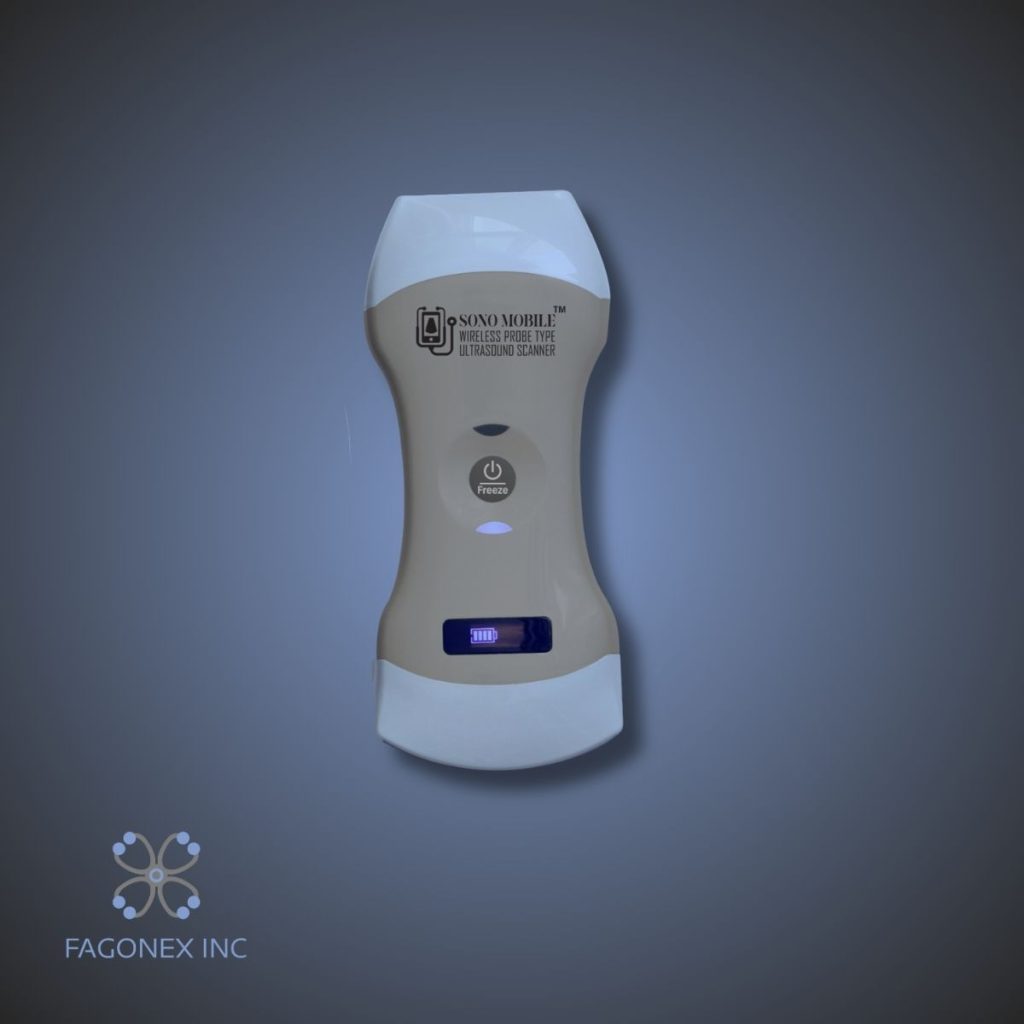
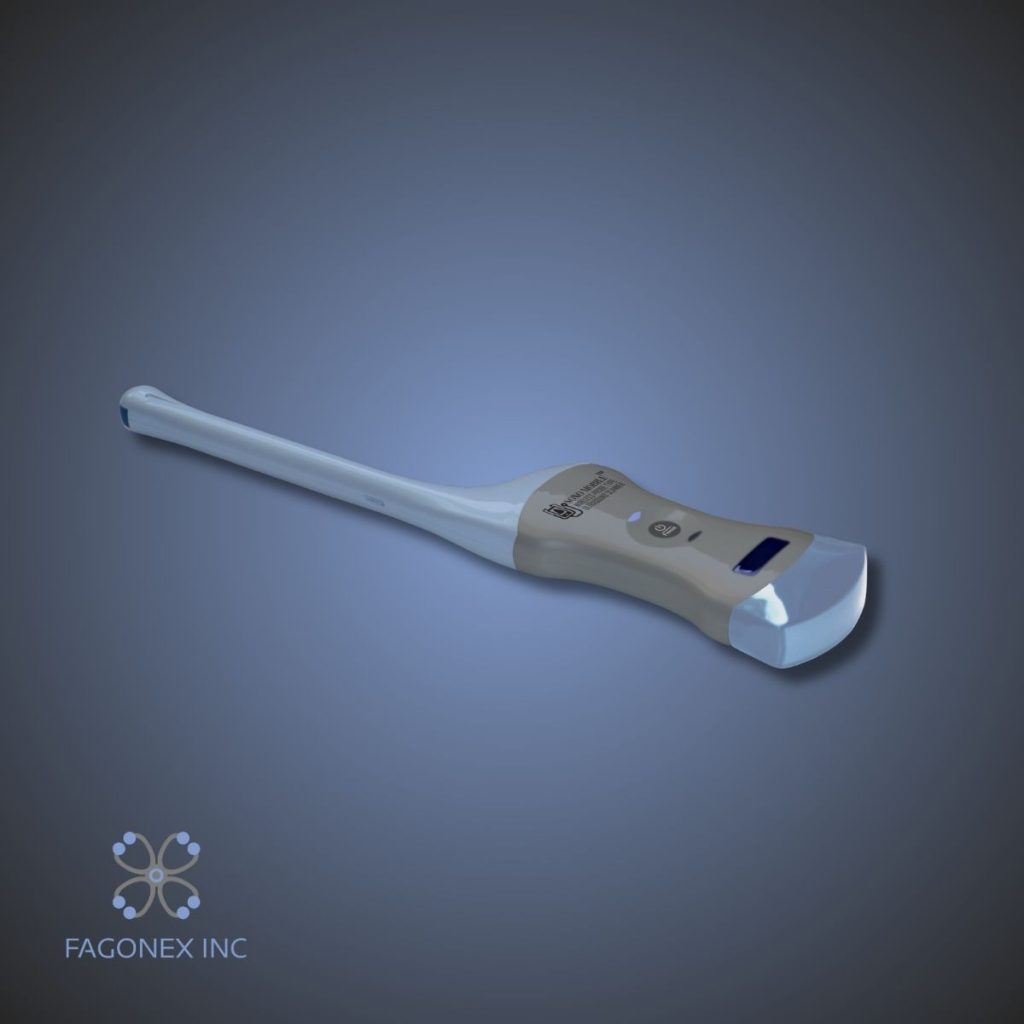
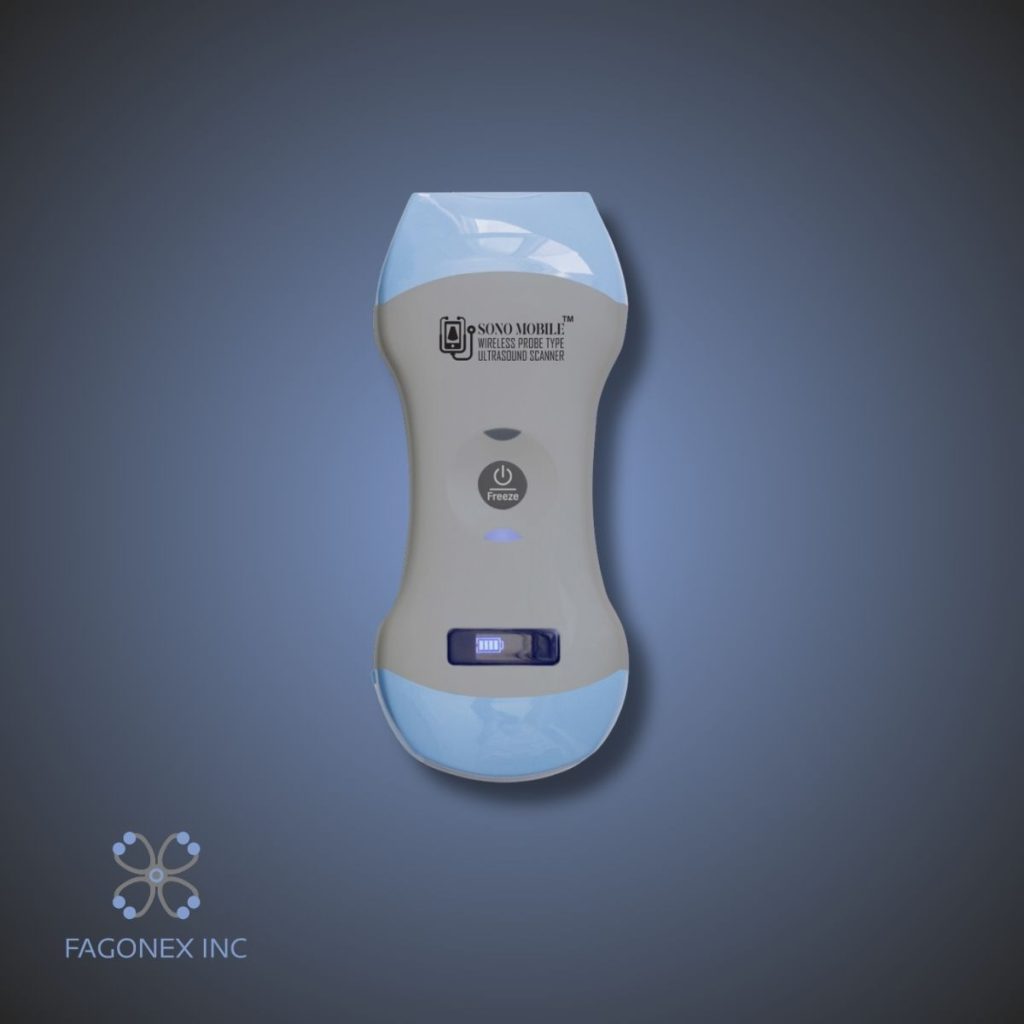
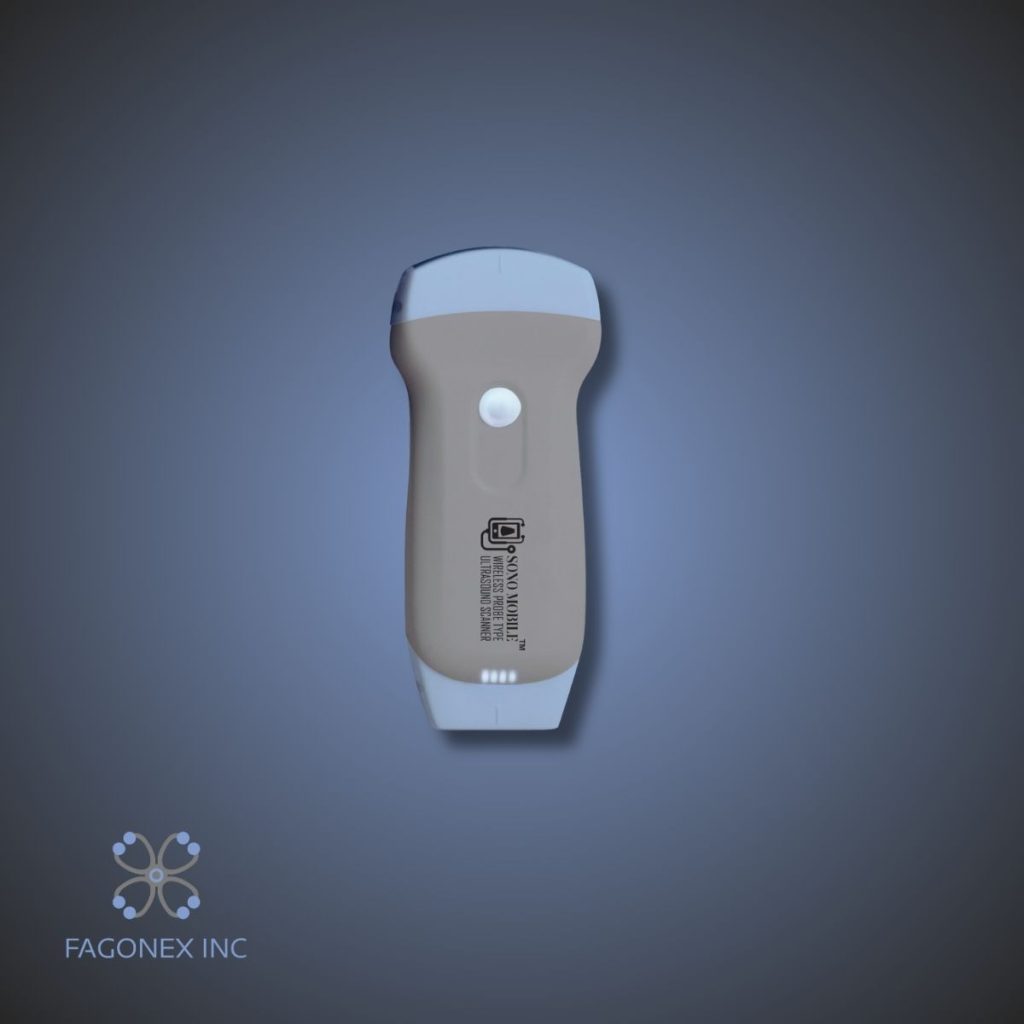
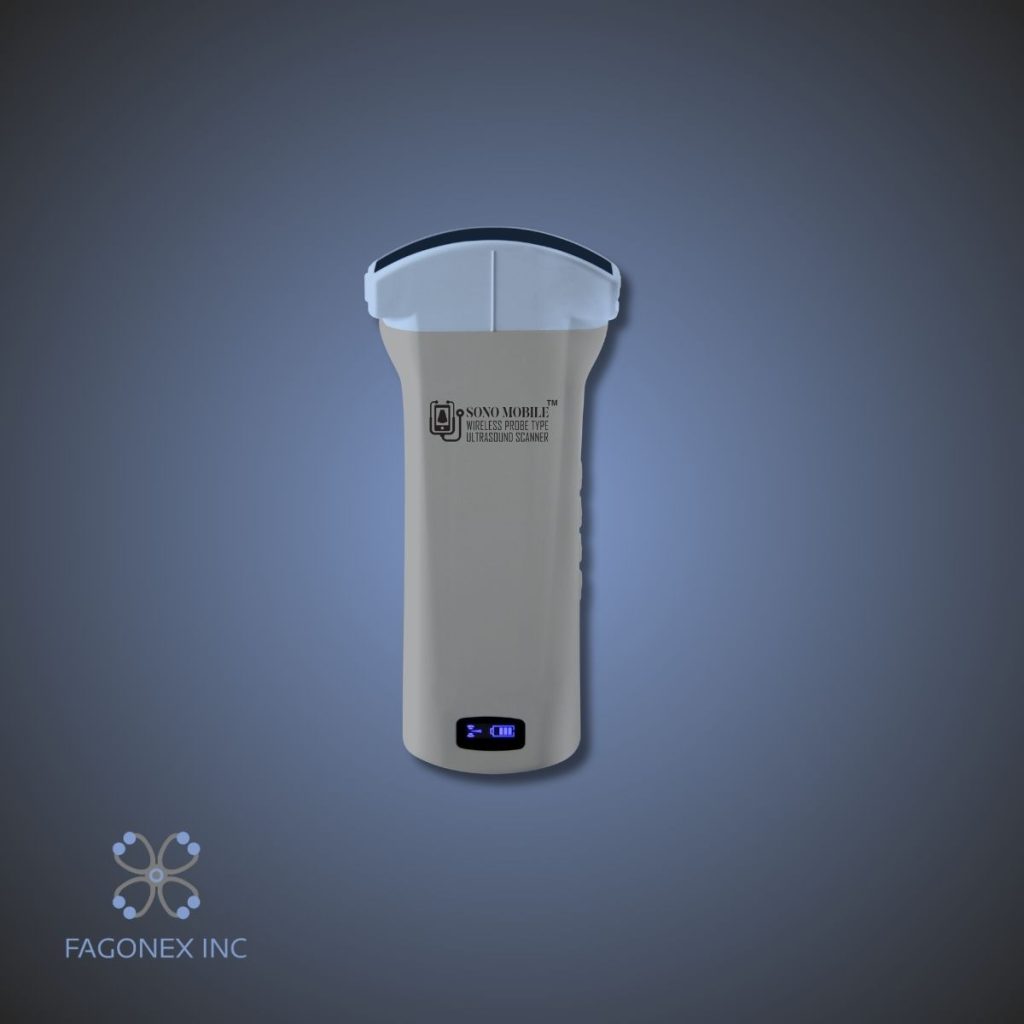
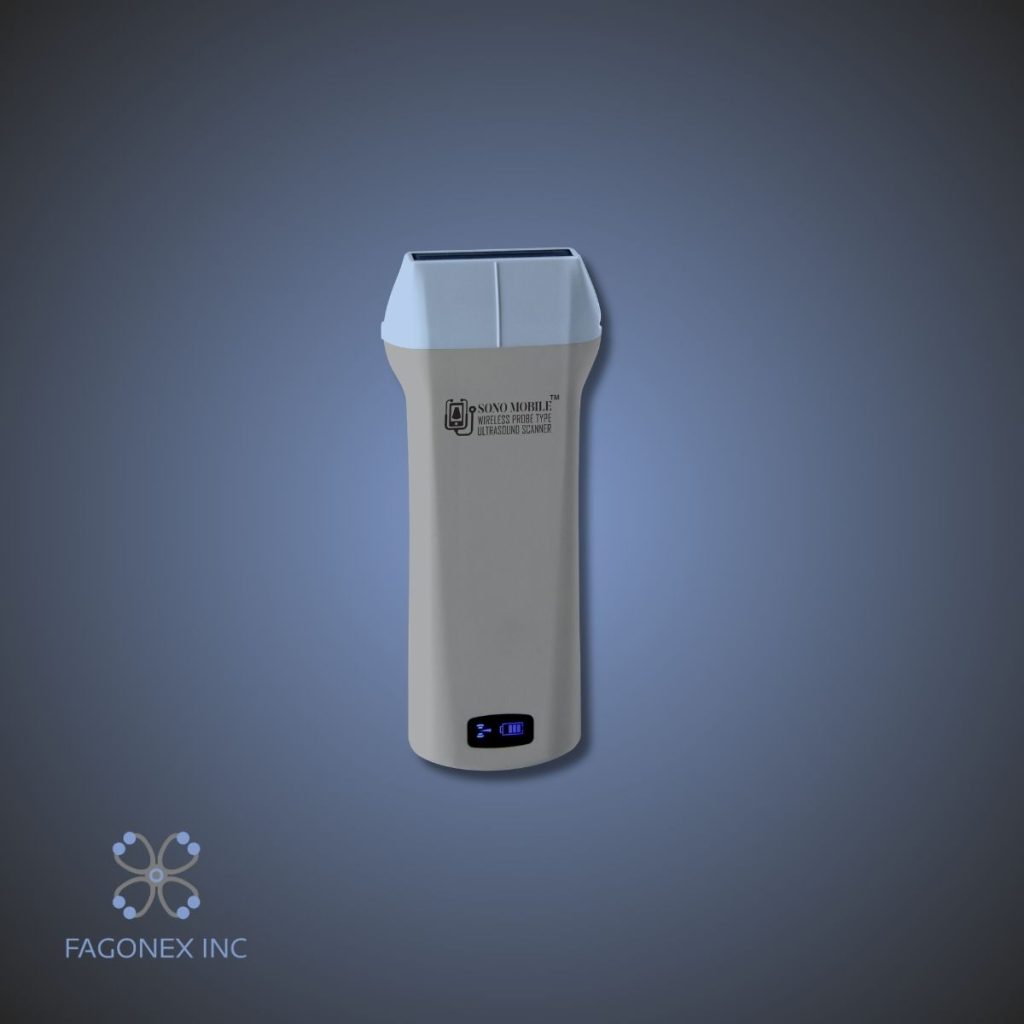
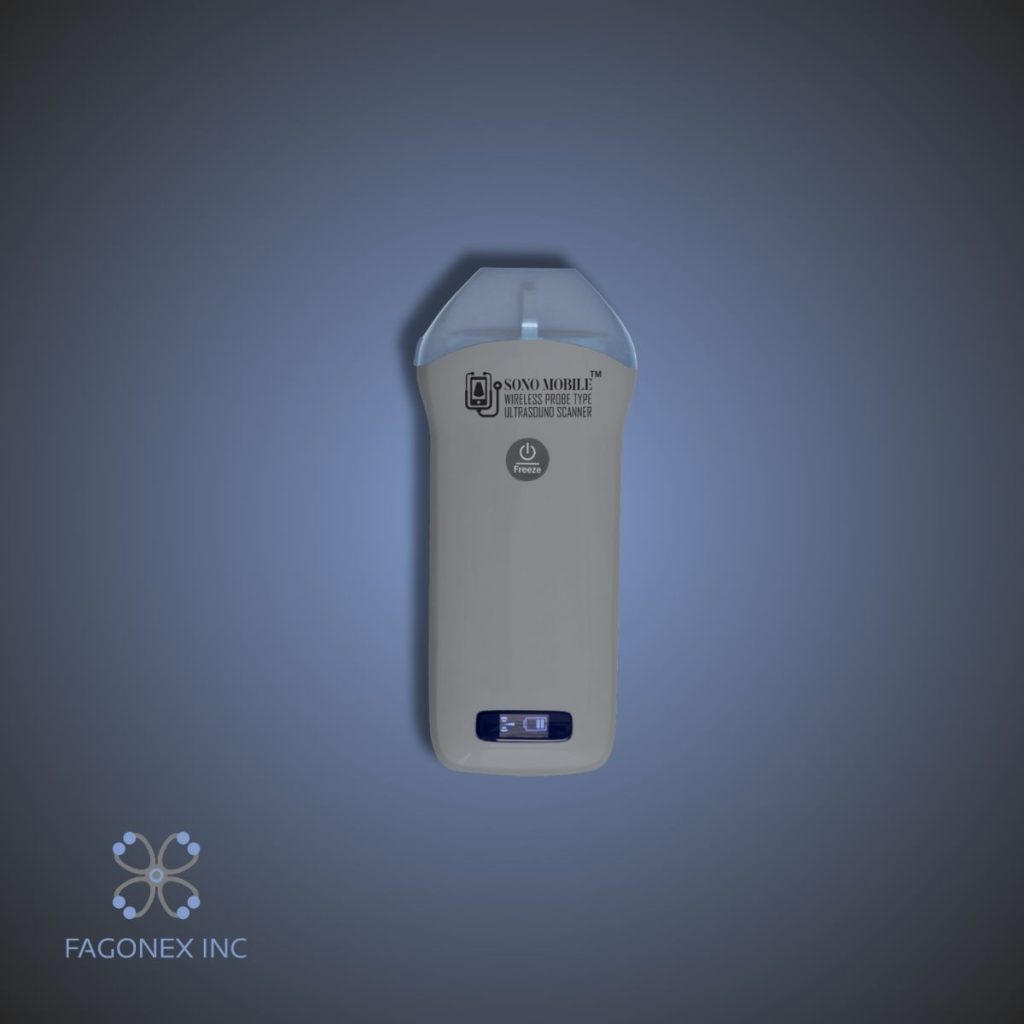
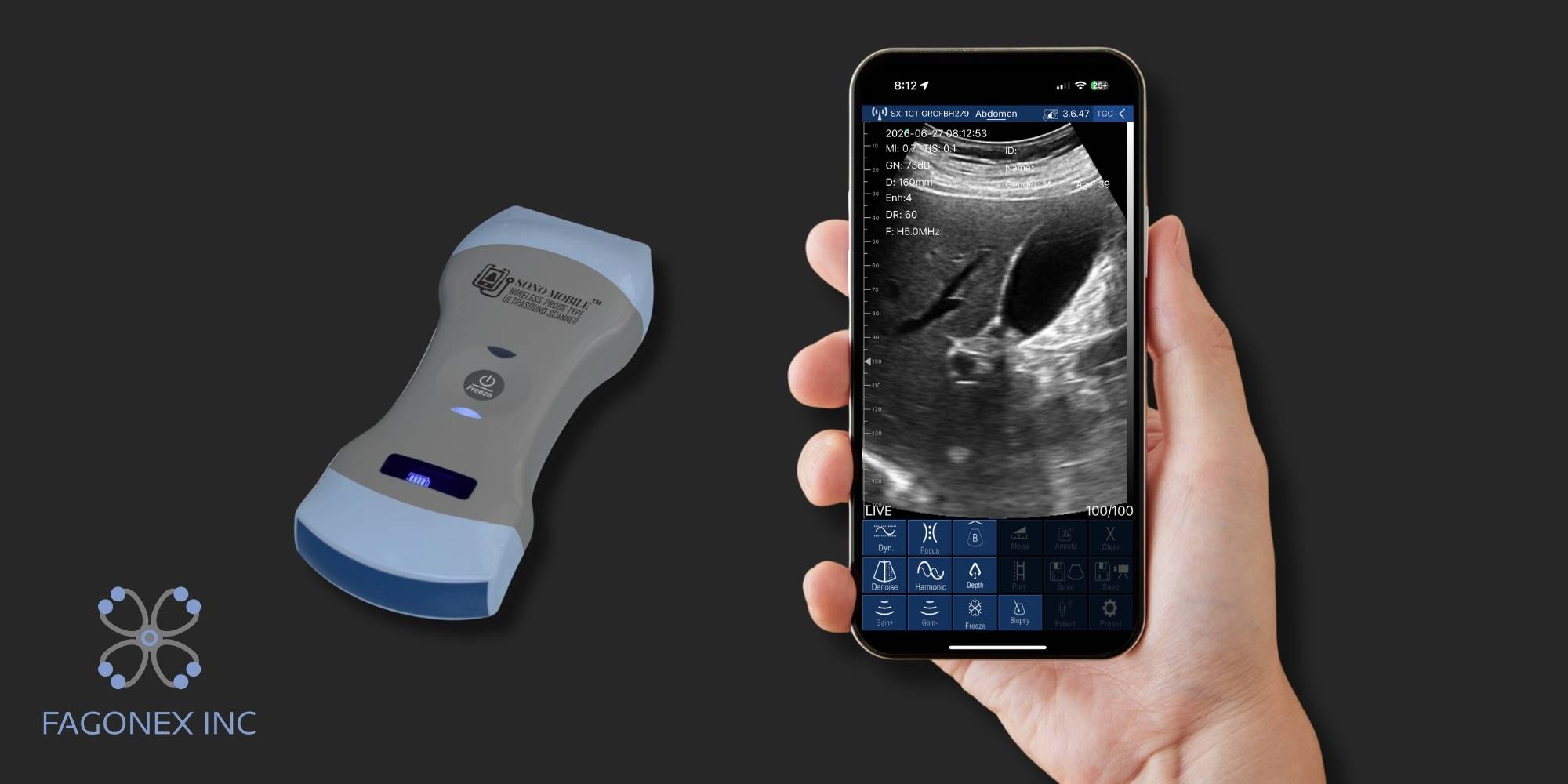
A handheld ultrasound is a compact ultrasound system designed to display real-time images on a compatible smartphone, tablet, or computer. Depending on the model and probe configuration, it may support selected point-of-care ultrasound examinations in hospitals, clinics, emergency-care settings, mobile services, and other clinical environments.
Sono Mobile® systems connect wirelessly to compatible smartphones, tablets, or Windows devices. Available probes, frequencies, imaging depths, presets, and imaging modes vary by model, allowing healthcare professionals to select a configuration based on the intended clinical application and workflow.
Handheld ultrasound may support selected POCUS applications involving focused cardiac and lung views, abdominal structures, vascular access, superficial soft tissue, musculoskeletal structures, and selected obstetric or gynecological questions. Appropriate use depends on the probe configuration, clinician training, demonstrated competency, and applicable clinical protocols.
Potential applications vary across emergency medicine, critical care, primary care, anesthesia, sports medicine, internal medicine, and remote healthcare settings. A focused handheld ultrasound examination should answer a defined clinical question and should not replace comprehensive diagnostic imaging or specialist interpretation when these are required.
Sono Mobile® provides compact wireless ultrasound options for healthcare professionals who require portable imaging within an established clinical workflow. Users should select the appropriate model for the intended application and follow relevant training, documentation, infection-control, and referral requirements.
The appropriate Sono Mobile® model should be selected according to the intended clinical application, required probe configuration, imaging modes, compatible display device, operator training, and organizational workflow.
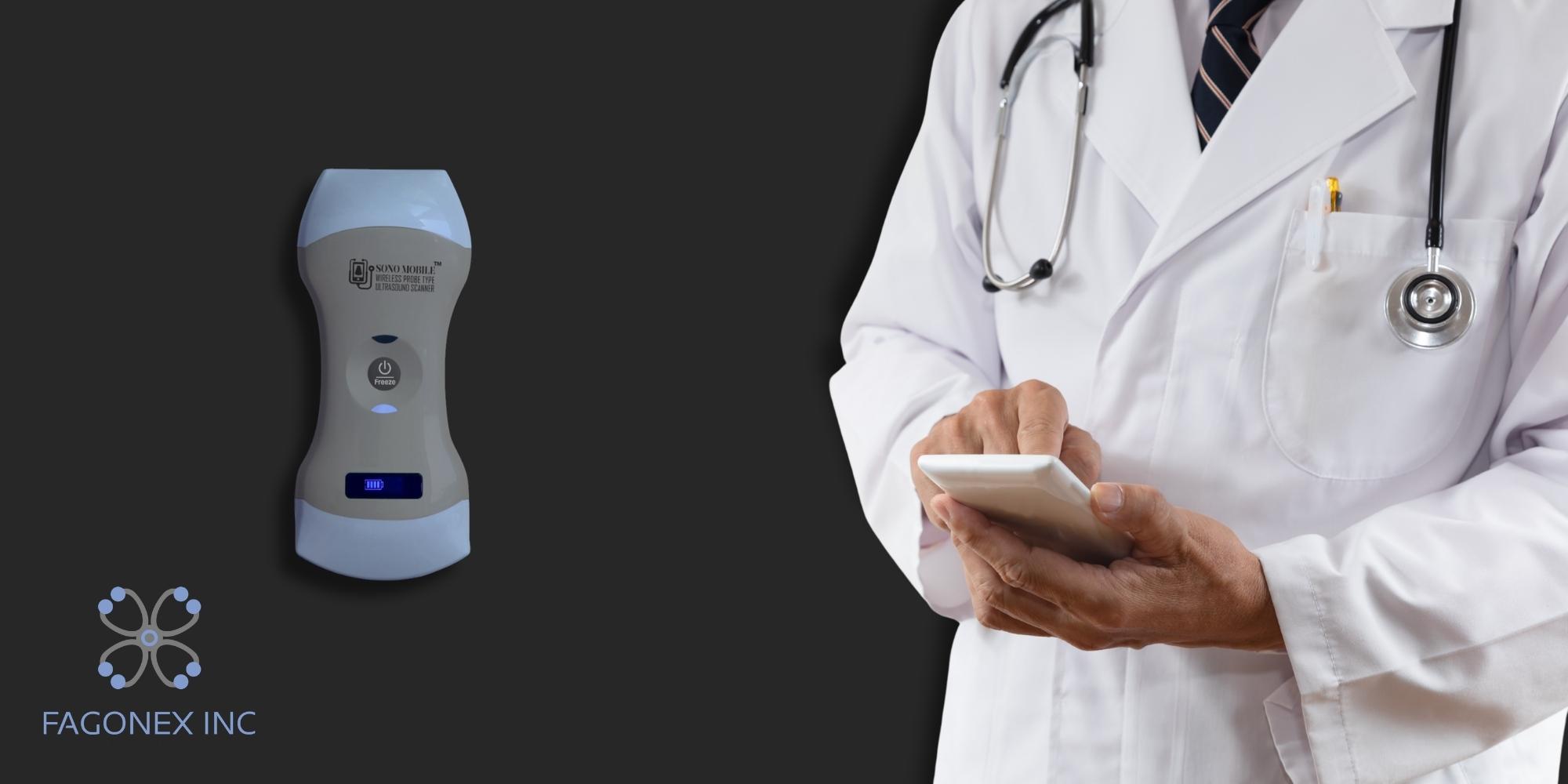
Handheld ultrasound can provide focused imaging at the point of care and may support selected clinical assessments, procedure guidance, and patient monitoring. Appropriate applications depend on the selected probe, image quality, operator training, demonstrated competency, and local clinical protocols. Findings should always be interpreted together with the patient’s history, physical examination, and other clinically indicated diagnostic information.
The price of a multipurpose handheld ultrasound depends on several factors, including imaging performance, probe configuration, software capabilities, wireless connectivity, and clinical applications. When choosing a portable ultrasound system, healthcare professionals should consider not only the initial purchase price but also the long-term value, reliability, and total cost of ownership.
Sono Mobile® models differ in probe configuration, frequency, imaging depth, available modes, device compatibility, and intended clinical applications. Buyers should compare the specifications, warranty coverage, technical support, software requirements, and total cost of ownership of each model before purchasing.

Available imaging features may include Color Doppler, Power Doppler Imaging (PDI), Pulsed Wave Doppler (PW), Tissue Harmonic Imaging (THI), M-Mode, and B/M Mode, depending on the selected model. Each mode requires appropriate training and should be used within the limits of the device, examination protocol, and operator competency. Systems that include these imaging modes may have a higher purchase price and can support a broader range of clinical applications when used by appropriately trained healthcare professionals.
The number and type of ultrasound probes significantly influence the overall cost. Portable ultrasound systems may include Linear, Convex, Phased Array (Cardiac), Endocavity, or Dual-Head probes for different clinical applications.
Models such as the Sono Mobile® CL64 combine convex and linear scanning options with a phased-array preset in one wireless handheld device. This configuration can support both superficial and deeper imaging workflows while reducing the need to carry separate probes for selected applications.
Wireless connectivity can support portable imaging workflows without a direct cable connection between the probe and display device. Sono Mobile® compatibility varies by model, operating system, application version, and hardware requirements. Confirm compatibility with the intended iOS, Android, or Windows device before purchasing.
Advanced software can support workflow efficiency through intuitive controls, customizable presets, connectivity options, image management, reporting tools, and DICOM/PACS compatibility. These capabilities can help clinicians organize examinations and documentation while maintaining consistent workflows. These capabilities help clinicians perform faster examinations while maintaining excellent diagnostic quality.
Sono Mobile® devices include access to the compatible ultrasound application without recurring subscription fees. Available features, device compatibility, software requirements, and connectivity options may vary by model, operating system, and app version. Review the specifications of the selected model before purchasing.
Selecting a handheld ultrasound system should be based on the intended clinical applications, required probe configuration, imaging modes, device compatibility, workflow requirements, operator training, and available technical support. Before purchasing, consider:

Sono Mobile® offers a range of wireless handheld ultrasound systems with single-head and dual-head probe configurations for different clinical applications. Model selection should be based on the intended examination, required imaging modes, device compatibility, clinician training, and local clinical protocols.
Key advantages include:
Sono Mobile® systems may be considered by hospitals, private practices, educational institutions, and mobile healthcare teams seeking portable ultrasound options. Compare the probe configuration, imaging modes, compatible operating systems, warranty, support, and total cost of ownership of each model before selecting a device.
All FAGONEX handheld ultrasound devices are built with a shared foundation of advanced imaging technology, wireless connectivity, and cross-platform compatibility with iOS, Android, and Windows systems. These portable ultrasound systems are designed to support Point-of-Care Ultrasound (POCUS) across a wide range of clinical environments, from hospitals and emergency departments to clinics and mobile healthcare settings.
Despite their shared core capabilities, each model offers distinct specifications that influence performance, clinical suitability, and user experience.
Selecting the appropriate portable ultrasound system depends on several key clinical factors:
Overall, clinicians should choose a model that best aligns with their diagnostic requirements and clinical environment, balancing performance, portability, and workflow efficiency.

At FAGONEX COOPERATION INC, we recognize that handheld ultrasound price plays a critical role in the adoption of modern medical imaging technology. Our mission is to make portable ultrasound systems more accessible to healthcare professionals by offering a balance of affordability, performance, and reliability across our full range of devices.
Our advanced wireless handheld ultrasound scanners are designed to support fast, accurate point-of-care diagnostics in hospitals, clinics, emergency departments, and remote medical environments. By combining high-resolution imaging technology with compact, mobile design, FAGONEX systems help clinicians improve workflow efficiency and patient outcomes without the high cost of traditional ultrasound machines.
The price of a handheld ultrasound device can vary depending on several key factors:
At FAGONEX, we carefully design each model to deliver maximum clinical value at a competitive price point, ensuring healthcare providers can select a system that matches both their budget and clinical requirements.
Handheld ultrasound systems can provide portable imaging access at the point of care and may support focused clinical assessments and procedures when used by appropriately trained healthcare professionals. Available applications depend on the selected probe configuration, imaging modes, operator competency, and local clinical protocols. The Sono Mobile® portfolio includes models for selected workflows such as:
Fagonex offers several Sono Mobile® models with different probe configurations, frequencies, imaging depths, and clinical applications. Compare the intended examination type, required imaging modes, portability, compatible operating systems, warranty, technical support, and total cost of ownership before selecting a model.
Fagonex provides product-selection guidance and ongoing support for Sono Mobile® customers. Available services include:
Warranty coverage, available support services, software compatibility, and product specifications should be confirmed for the selected model before purchase.
Clinical information notice:
This page is intended for healthcare professionals and provides general educational and product-selection information. Handheld ultrasound should be used only by appropriately trained professionals within their competency, scope of practice, credentialing requirements, and applicable clinical protocols. Product information does not replace comprehensive diagnostic imaging, specialist interpretation, or patient-specific clinical judgment.
Healthcare professionals can review the FDA ultrasound imaging information and the AIUM point-of-care ultrasound resources for additional information about diagnostic ultrasound, clinical use, education, and safety.
A handheld ultrasound is a compact ultrasound system designed to display real-time images on a compatible mobile device, tablet, or computer. It may support focused examinations at the point of care when used by appropriately trained healthcare professionals.
Probe selection depends on the intended clinical application. Linear probes are commonly used for superficial structures and vascular access, convex probes for abdominal and deeper imaging, and phased-array configurations for selected cardiac applications.
Sono Mobile® devices include access to the compatible ultrasound application without recurring subscription fees. Compatibility and available features may vary by model, operating system, and application version.
No. Handheld ultrasound is generally used to answer focused clinical questions and does not replace comprehensive diagnostic imaging, specialist interpretation, or patient-specific clinical judgment.
Yes. Ultrasound should be performed and interpreted by appropriately trained healthcare professionals working within their competency, scope of practice, credentialing requirements, and local clinical policies.
Need help comparing Sono Mobile® models? Contact the Fagonex team to discuss your intended clinical applications, preferred probe configuration, device compatibility, and purchasing requirements.